Home Blog

Stop wasting time with tire kickers and focus on the prospects that matter

0

With most businesses doing over 30% of their interaction with less than 3% of their customers, it usually isn’t that much when you look at your average customer base and the amount of money they spend. It is even worse when you sell a product to them, and there is a good chance they will return it. For more information on managing a practical sales approach, this guide should help.

Stop wasting time with tire kickers and focus on the prospects that matter. Most businesses do over 30% of their interaction with less than 3% of customers. How to deal with tire kickers are unavoidable. For more information on managing a practical sales approach, this guide should help.

What are tire kickers?

A tire-kicker visits a retail store and asks to see an item or product but does not buy it. Tire kickers visit a retail store and ask to see an item or product but do not buy it. They tend to browse through the store and then leave.
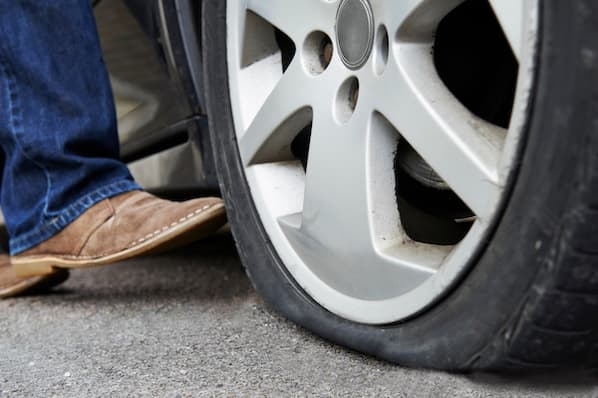
tire kickers

These tire kickers tend to be cost-conscious buyers interested in product performance but are not ready to commit to a purchase. If you have a budget or spending limit for retail campaigns, knowing the difference between a lead and a tire kicker can help you gauge how successful your campaign is.

Tire kicker synonym

A tire-kicker takes an excessive amount of time to make a decision. They are hesitant to commit and sometimes create roadblocks for others. You need to be a tire kicker to get ahead in your career.

Things you should keep in your Mind

  • What is a tire kicker?
  • How can you tell if someone is a tire kicker?
  • What are the consequences of being a tire kicker?
  • How can you stop being a tire kicker?
  • How does it hurt your career if you’re a tire kicker?
  • What’s the best way to get ahead in your career?
  • What should you do if you find yourself in a situation where you’re tempted to be a tire kicker?

Approach every new project or task with an open mind. Don’t get too attached to any plans or ideas at first. Allow multiple paths to your work before you make a final decision. Learn to listen well. They usually ask for information before making their purchase decision or see if they can find the same product cheaper somewhere else. A tire kicker takes an excessive amount of time to make a decision.

What to do when you have tire kickers

When you have tire kickers, tell them they must pay a dollar before they can go on the ride. When you have tire kickers, you tell them they must pay a dollar before going on the ride. People usually pay your dollar when they’re put on the spot. They’ll take the dollar and walk away with some knowledge of what they need to do to solve their problem.

How do tire kickers affect your bottom line?

The term “tire kicker” refers to a customer who tours a business and is interested in purchasing a product but is not committed enough to purchase at that time. Tire kickers can be a beneficial marketing tool for businesses as they represent prospects with a high likelihood of buying something.

However, the size of your audience is directly related to the price you can ask for your promotion. The higher the number of people seeing your content, the lower the price you’ll have to pay. Tire kickers are perfect for promoting a limited-run sale or generating more awareness around your brand.

How to recognize tire kickers

People who visit your dealership solely to test-drive a car are tire kickers. They have no intention of buying the car but want to check out the competition.” In this instance, the customer is merely doing a competitive analysis and will likely not be ready to purchase anything anytime soon.

But what if that same person comes back in a month or two? Are they still just doing competitive analysis? Or has their interest in a car turned into an actual purchase?

If you ask yourself these questions, you’ve already crossed the line from competitive analysis to conversion optimization. This can be frustrating, but an experienced salesperson will handle it smoothly. They are people who visit your dealership solely to test-drive a car. They have no intention of buying the car but want to check out the competition.

How to stop wasting time on tire kickers

Large and small companies must have a screening process to determine whether somebody is serious about their inquiry. The first step is to be very upfront with their responses while still professional. If somebody is kicking tires, they should be provided an answer that’s easy to see through. If you want to turn them into customers, then make it easy to close that sale.

If you’re sending them to a blog post, the call to action is in the position, but if you’re sending them somewhere else, try to think about where your prospect will end up and include a CTA at every reasonable opportunity.

Tire Kickers are unavoidable.

Tire kickers will come around to your house, knock on the door, and ask if they can take a quick look around your home. Tire kickers are unavoidable, so get a dog if you don’t want to be pestered by these people.

In today’s competitive world, you’ll have to try harder than ever to get noticed. But that doesn’t mean your creativity should be bland and forgettable. Make sure your content is unique and, above all, relevant. Remember that what gets you noticed as a brand today may not be so obvious or appealing a year or two from now.

How can salespeople deal with tire kickers?

Tire kickers are often asked questions like “What’s the delivery time?” or “What kind of warranty is there?” to give them a chance to come back later with a reason to refuse to buy. What Is A CTA?

A Call-To-Action is an instruction to make a purchase or action you want your audience to take. It’s a short sentence that asks them to do something specific and explains why they should follow through. CTAs are one of the most crucial elements of your website because they help move visitors along and convert their interest into action.

Conclusion

There are various reasons people call themselves tire kickers or are called tire kickers by their friends. Often, the term is used to reference people who are only looking around for now. Other times, it may refer to being honest about wanting to take their time with the purchase decision. For businesses, it can help distinguish between those people who are just window shopping and those who are ready to buy.
Is 2022 a Good Time to Refinance Your Second-Hand Car Loan?

0

If you took a second-hand car loan a couple of years back, the chances are that this loan is available at a more affordable rate today. Well, if not at your lender, then at another lending institution! So, can you not take advantage of a lower ROI to bring down your EMI and close your loan quickly?

Car

Of course, you can! All you need to do is switch to a lender willing to provide you with a lower interest rate on your ongoing used car loan. This is called refinancing. Besides, refinancing in 2022 has various benefits, including a lower interest rate.

Why refinance your used-vehicle loan in 2022?

If you’re still contemplating whether to refinance your used car loan, consider the following advantages:

1. Cuts down your interest rate

You can reduce your used-car loan interest rate substantially by refinancing your loan. Even if your lender decides to reduce your interest rate by only 0.5% or 1%, it can still significantly affect your monthly installments.

2. Aids in repaying or availing other loans

Maybe you will soon need another loan. When you file your application for the same, your lender will run a credit check and seek out information about your current EMIs. Your loan approval chances will increase if they don’t find any or come across a low-cost one.

Alternatively, if you already have a home loan, paying EMI will become easier if you refinance your used-vehicle loan. Why? EMI savings will boost your disposable income, redirecting towards housing finance.

3. Improves credit score

A higher EMI on a pre-owned car loan can increase the chances of default. And, if you indeed default on your loan, your credit score will take a hit. This will impact your future borrowing capability. However, you can bring down your monthly installments through refinancing, which means your default chances reduce.

If you continue to repay your EMIs on time, your credit score will also improve favorably. You can use a used-car loan EMI calculator to understand your potential EMIs and plan accordingly.

4. Helps in modifying loan tenure

Through refinancing, you can readjust your loan’s tenure to your liking. Doing this will reduce your monthly payments, which is helpful if you struggle to manage your EMIs. Alternatively, if you have surplus funds and want to use them to pay your loan quickly, you can reduce your tenure by switching to another lender.

The bottom line

Along with making changes to your loan terms, like reducing interest rate and tenure, you can add a co-signer or remove one through refinancing. So, if you’re considering refinancing your loan, choose a lender offering relaxed used-car loan eligibility criteria and affordable interest rates. Also, to make things more convenient, find a lender offering an online application process for speedy processing.

What to Know Before Upgrading to Larger Rims for Your Vehicle

0

Upgrading to larger rims is a popular modification for vehicle owners who want to enhance their ride’s look and performance. Bigger rims can improve off-road capability, provide a more aggressive appearance, and even improve certain aspects of handling. However, before switching to larger rims, it’s important to understand how they can affect your vehicle’s vehicles, ride quality, fuel efficiency, and overall maintenance requirements.

Vehicle

Discounted Wheel Warehouse offers a wide selection of larger rims, including 22×12 and 20×12 rims, perfect for upgrading your vehicle’s appearance.

In this guide, we’ll explain the practical aspects of upgrading to larger rims, from tire and rim compatibility to the long-term considerations that come with bigger wheels. By the end, you’ll know what to expect when making this modification, ensuring it meets your aesthetic and functional goals.

Effects of Larger Rims on Your Vehicle’s Vehicles

1. Impact on Ride Quality

One of the first things you may notice after upgrading to larger rims is a change in ride quality. Larger rims generally require lower-profile tires, which have shorter sidewalls. While this can improve handling and cornering by reducing sidewall flex, it can also result in a stiffer ride.

Low-profile tires absorb less shock from bumps and potholes, meaning you’ll feel off the road beneath you. For example, upgrading to 22×12 rims with low-profile tires may enhance handling in smooth, even conditions but could make the ride less comfortable on rough or uneven roads.

In general, the larger the rim size, the stiffer the ride. While this may not be a concern for drivers focused on performance, it’s something to consider if you prioritize comfort in daily driving.

2. Handling and Performance

Larger rims can improve certain aspects of your vehicle’s vehicles, particularly regarding stability and cornering. With bigger rims, your truck typically has a wider stance, which helps reduce body roll when taking sharp turns. The lower-profile tires with larger rims also offer better responsiveness, allowing for more precise steering inputs.

This makes sizes like 20×12 rims ideal for drivers who want a more responsive and stable driving experience, especially at higher speeds. However, it is important to note that these improvements in handling come at the cost of ride comfort and, in some cases, off-road capability.

If you frequently take your vehicle off-road or drive in areas with rough terrain, larger rims with low-profile tires may not be the best choice. Off-road driving often benefits from smaller rims and taller tires, which provide more cushion and allow the tire to flex over obstacles like rocks and potholes.

3. Fuel Efficiency

One of the lesser-known consequences of upgrading to larger rims is the potential impact on fuel efficiency. Bigger rims are often heavier than smaller ones, which can increase the overall weight of your vehicle. This added weight, particularly in the wheels, can have a negative effect because your engine has to work harder to rotate the heavier wheels.

The increased rolling resistance associated with larger rims and wider tires can also reduce fuel efficiency. The wider contact patch, which improves traction and handling, also increases the effort required to keep the vehicle moving, which can lead to a slight decrease in miles per gallon (MPG).

While the effect on fuel efficiency is generally minimal, it is something to remember if you’re using larger rims like 22×12 rims or 20×12 rims. The trade-off may be worth it for those focused on performance or aesthetics, but if fuel efficiency is a priority, this could be a factor to consider.

Understanding Tire and Rim Compatibility When Upgrading

1. Matching Tire Size to Rim Size

Compatibility is one of the most critical aspects when upgrading to larger rims. You can’t simply put any tire on a larger rim—each rim size requires a specific tire size to ensure a proper fit.

Larger rims, like 22×12 or 20×12 rims, typically require low-profile tires to maintain the overall diameter of the wheel and tire combination. If the tire sidewall is too tall, it could cause clearance issues, potentially rubbing against your vehicles, fenders, or other components.

On the other hand, if the tire is too small, it won’t fit properly on the rim, leading to unsafe driving conditions. It is crucial to select the right tire size that matches the larger rim to avoid problems with handling, ride quality, and safety.

2. Understanding Offset and Backspacing

Another key consideration when upgrading to larger rims is ensuring the correct offset and backspacing. These factors determine how far the rim sits relative to the vehicle and fender wells.

Offset refers to the distance between the wheel’s centerline and the mounting surface. A positive offset means the mounting surface is closer to the wheel’s outer edge, while a negative offset places it closer to the inside.

Backspacing is the distance between the back edge of the rim and the mounting surface.

Upgrading to wider rims like 20×12 or 22×12 often requires offset or backspacing adjustments to avoid tire rubbing. If the offset is too high or the backspacing is off, you might run into clearance issues, which impact the vehicle’s steering and overall performance.

3. Vehicle Modifications

Depending on the size of the rims you choose, you may need to make additional modifications to your vehicle. For instance, upgrading to particularly large rims may require lifting the suspension or trimming the fender wells to prevent tire rubbing.

It is also important to check your vehicle specifications, as not all rims are compatible with all vehicles. Be sure to measure the lug pattern and confirm that your larger rims will fit your vevehicle’setup. This is especially important if you’re considering custom or aftermarket wheels.

Maintenance Considerations with Larger Rims

1. Increased Wear and Tear on Suspension Components

The added weight and size of larger rims can stress your vevehicle’system more. Over time, this can lead to faster wear and tear on components like shocks, struts, and ball joints. If you upgrade to significantly larger rims, monitoring suspension for signs of premature wear, such as uneven tire wear or excessive bouncing after hitting bumps, is a good idea.

You may also consider your suspension system to handle the increased load from larger rims.

2. Tire Maintenance

Larger rims often require low-profile tires, which tend to wear out faster than their high-profile counterparts. The shorter sidewalls mean ththere’selethere’sioningetween the tire and the road, which can result in more frequent tire replacements due to increased wear, especially if you drive in rough conditions.

In addition, low-profile tires are more susceptible to damage from potholes and road debris. If you drive in areas with poor road conditions, be prepared for the possibility of tire blowouts or sidewall punctures.

3. Braking Performance

Bigger rims also affect your vehicle’s performance. The added weight can put more strainstrainequiring longer stopping distances. In some cases, upgrading to larger rims may necessitate upgrading your brake system to maintain safe stopping power, especially if the rims significantly increase the overall weeks.

Whenever you upgrade to larger rims, it’s important to have your vehicle checked. Bigger wheels can alter the alignment settings, potentially leading to uneven tire wear and decreased handling performance. Regular alignment checks can help ensure that your new rims perform well and that your tires last as long as possible.

Upgrading to larger rims can significantly boost your vehicle’s performance, particularly in handling, traction, and stability. However, it is essential to consider the potential trade-offs in ride comfort, fuel efficiency, and maintenance.

By understanding tire and rim compatibility, making necessary vehicle modifications, and staying on top of maintenance, you can enjoy the benefits of larger rims while minimizing any negative impacts.

Best Sports Car Luxury

0

Best Sports Car Luxury – Many advancements have occurred as the automobile industry has become more competitive. Much research and development have been done into the science behind aerodynamics, engine technology, and comfort.

Today’s cars are better than ever, and our daily vehicles have become much safer. They are faster, and they are more reliable. A few auto industry trends have started taking over the past few years. One of them is the luxury car market. Luxury cars are the ones that are not just comfortable but also safe and efficient.

There are three main categories of sports cars:

Sports cars are expensive because they’re made to be driven quickly and they’re made to be pushed hard. Sports cars are high-performance cars designed to be driven aggressively, and they’re built to deliver a visceral thrill. Sports cars are luxury cars that are made to be moved. They’re built to look good, they’re made to feel luxurious, and they’re built to deliver a thrilling experience.

Sports Car

I would say that most people would agree that sports cars are one of the most beautiful forms of transportation. And that’s what makes them so special. To get the best sports car, you want to look for something rare, has excellent performance, and is extremely beautiful. You first need to figure out which sports car category youwisht to purchase.

Luxury sports cars

This is a pretty tough one to predict. I think it will depend on the health of the economy. If the economy is booming, people will be willing to spend more on luxury items. But if the economy slows, people may want to save money for other purposes.

We are already seeing the rise of autonomous driving. Self-driving cars will become a reality in the next couple of years. The technology used in these cars will also be a big factor. There are also many people working remotely today. As a result, we may see a decrease in the need for travel. Luxury sports cars are becoming increasingly popular, but we’re still in the early stages of developing these vehicles. They’re also one of the most expensive vehicles to own. If you love luxury, you will likely be excited about this technology.

How To Buy A Sports Car

And in the meantime, we’re still going to see a few of these cars sold in 2022. But most will be reserved for a small group of super-rich people. The price of sports cars has risen over the past few years, and that’s because more and more people can afford them. Sports cars are high-end cars that professional drivers generally drive. Recently, many luxury brands have shifted from performance to focus on luxury and comfort.

While the prices for sports cars have decreased over the years, their performance has increased to keep pace with modern technology. I wrote about this a year ago, and I’m still learning new things about it. So I thought I’d share the most important lessons I’ve learned.

Luxury sports cars are expensive. They also have a limited lifespan. But even though they’re expensive, you can still save a ton of money by buying them used. I found a company called GoGoRV.com that has access to hundreds of vehicles sold for less than a grand. These deals will blow you away if you don’t expect a million-dollar vehicle.

Lamborghini

The Lamborghini brand was created by Ferruccio Lamborghini back in 1964. The company has been very successful, especially since the 1990s. In 2017, Lamborghini was ranked as the world’s 10th most valuable car brand.

Lamborghini is a luxury sports car manufacturer headquartered in Sant’Agata Bolognese, Italy. Founded by Ferruccio Lamborghini in 1963, the company now sells cars under Lamborghini, Audi, Bentley, Bugatti, and Maserati.

The first two models were named Miura and Countach, respectively. The Reventón replaced the Miura in 1966, and the Countach was discontinued after the debut of the Diablo. The Murciélago followed the Reventón in 1970, which remains the most successful model.

In 1974, the name Lamborghini was revived. The company began selling an Italian-designed, American-engineered, mid-engined supercar called the Countach in the US. Production of the Countach ended in 1984, but the brand continued to sell the Countach until 1999.

Maserati

It’s been a while since I wrote an article for the blog. This one is extra special. I will go back to basics and talk about my favorite brand worldwide. My love for the brand goes back to the 1990s when I was a kid. My family then had a good car, but we wanted something better. We looked at the new Maserati Quattroporte, the flagship model at the time. I remember it had sleek lines and a distinctive interior. We ended up buying it, and I loved it.

I still remember watching the movie Days of Thunder with Tom Cruise and Daniel Day-Lewis, where Tom cruises around in his Maserati and takes out some other cars. Seeing a cool car and knowing how to drive it was fun.

I had no idea about this company. But after reading their website, it seems like a fun brand to support. If you’re a fan of cars, I think you’ll enjoy learning more about them and the people behind them. The fact that they’re willing to invest in an educational program that will teach you how to promote their products is a testament to the quality of their products and services.

Porsches

Porsche is a luxury brand that has been around for quite a while. They sell cars that are well-built, safe, and incredibly powerful. It’s no surprise that Porsche has continued to grow and become a household name. The brand has a reputation for being reliable and trustworthy.

Porsche is a perfect example of a luxury brand gaining popularity. In addition to this, it’s also very recognizable and easy to associate with the brand. As I said before, the brand is built on quality and reliability. Therefore, people are willing to pay a premium price for these vehicles.

You don’t need a degree to make money online. If you’re passionate about something and willing to prove it, you can find a way to make money. The second question is much more difficult. While you can get a great Porsche with a manual transmission, it might not be worth it.

The reason is simple: If you’re looking for the fastest car worldwide, consider a 911 Turbo. As you can see, a Porsche is a high-performance vehicle with plenty of amenities. It’s one of the most powerful cars you can buy. In terms of power, there are several different models, including the 996, the 997, and the 991.

Frequently Asked Questions (FAQs)

Q: What’s the best car for a sports car lover?

A: The best car for a sports lover is probably a Mercedes-Benz SL55 AMG. Other great sports cars are out there, but none will give you the feeling of an AMG Mercedes. The SL55 AMG has a 5.5-liter V8 engine, providing 600 horsepower. It can go from 0 to 60 mph in just under 3 seconds. It also has a top speed of 196 mph.

Q: What’s the worst car for a sports car lover?

A: The worst car for a sports car lover is probably a Ford Mustang GT. The Mustang GT is not designed to take on sports cars and is not very powerful.

Q: What is the greatest sports car luxury?

A: I think the greatest sports car luxury is being able to do everything. There are some cars out there that you can cruise on the highway with the top down, but if you want to drive in the city, you need to open up the sunroof. You also want to be able to have a full tank of gas. If you don’t have that, you’ll have to stop and fill up before going further.

Q: What’s the greatest car for luxury?

A: For me, the greatest car for luxury is the Mercedes-Benz S-class because it’s a perfect blend of luxury and performance. You have to be careful, though. I would never buy a car like that as a first car because too many things can break or fall apart. I’d save that for my last car.

Q: What do you love most about sports cars?

A: My favorite is my red convertible Corvette. I love the feeling of the wind in my hair when I’m driving down the highway.

Q: What’s the best car you’ve ever driven?

A: I drove a Ferrari 360 Modena GT when I was 18. It was beautiful.

Q: What’s the worst car you’ve ever driven?

A: I’ve driven an Isuzu Trooper.

Q: What’s the best track day you’ve had?

A: I went on a track day with my girlfriend. It was in Palm Beach, Florida. We were on a 1.6-liter turbo car. It was great!

Myths About Sports Car

1. Best sports cars are for those who can afford them.

2. Most people buy the best sports car because they want to show off.

3. The best sports cars are expensive.

Conclusion

Sports cars are one of the most exciting things to own. It doesn’t matter if you’re a sports car enthusiast or love a good driving experience; a sports car can be a dream. The best part about owning a sports car is that you can enjoy it year-round. Most sports cars come with a long lifespan and great resale value.

However, buying a sports car isn’t just for the rich and famous. There are plenty of options for everyone. One of the biggest challenges I faced when I started was generating income. It’s easy to get excited about a new hobby or skill, but it’s not always easy to make money from it. If you are investing money online, I suggest creating a website and selling a product.

This could be a book, a DVD, or even a PDF you create yourself. You could write a blog, sell an e-book, or sell some digital downloads. It doesn’t matter what you sell but pick a topic you’re genuinely passionate about. Thousands of people are already doing what you want to do. They have made money from their websites, blogs, and products.

Buying a Used Car? Top 5 Important Things To Consider

0

Purchasing a used car can be a great way to save money, as it is often less expensive than buying a new car. However, it is essential to be aware of the benefits and drawbacks of this decision before making a purchase. Here are some tips on what to look for when buying a used car, as well as how to get an idea of its value and inspect it for damage.

When people are looking to buy a used car, they do not take the time to consider all their options. Although buying a used has some great perks and can save quite a bit of money compared to purchasing a new vehicle, you still need to consider certain things before signing on the dotted line. Here are some things that you should have on your checklist.

Buying a Used Car

The Basics of Buying a Used Car

When buying a used car, it is essential to remember the basics of looking for it. The first step is to find a reputable dealership or private seller. Once you have found a car you want, take it for a test drive and inspect it for any damage. Sometimes a dealership will do cosmetic repairs or pass a car as new. If that is the case, ask about the car’s history and if it has ever been in an accident.

The process of buying a used car

When buying a used car, there are a few things you need to do to ensure that you’re getting a good deal. The first step is to research the car’s value. You can check online classifieds or look at Kelley Blue Book. Once you know what the car is worth, you can start looking for a seller. When you find a vehicle you’re interested in, it’s essential to do a thorough inspection.

What to Look for When Buying a Used Car

When looking for a used car, keeping what you are looking for is essential. It would help if you considered the make and model of the vehicle and its age and condition. Inspecting the car for any damage or wear and tear is also essential. It would also help to consider the car’s price and market value. Finally, ensure the vehicle has everything you need, like a spare tire, an extra key, etc.

Things to Consider When Buying a Used Car

When you are looking to buy a used car, there are a few things you need to consider. The first is the price. Be sure to understand what the vehicle is worth before buying it. You don’t want to overpay for a used car. Another thing to consider is the condition of the vehicle. Make sure to scrutinize it and look for any damage. You don’t want to buy a car that has been in a wreck.

Things you should keep in your mind

  • What should I do to understand what a car is worth before buying it?
  • How do I inspect a car for damage before buying it?
  • What are some things I should consider when buying a used car?
  • How do I know if a car has been in a wreck?
  • What are some things I should avoid when buying a used car?
  • What are the risks of buying a used car?

Tips for Buying a Used Car

When buying a used car, it is essential to be aware of the different scams. Common scams include misrepresenting the car’s condition, inflating the price, or adding extra fees. Other things to watch out for include selling car insurance or “depreciation” fees after buying the car. If a dealership tries to pressure you into buying additional services, you can assume that’s a red flag.

The Pros and Cons of Buying a Used Car

There are pros and cons to buying a used car. The pros are that you can get a car for a lower price than if you bought it new. However, the vehicle will have higher mileage than a new car, and some wear and tear may be visible. Also, leasing can be more convenient for many people because you don’t need to own a car to drive it – you can use it when you want. But the issue with this is that the monthly amount you pay is based on how much you drive, not on the car’s value.

Conclusion

When buying a used car, it is essential to research and know what to look for. It would help if you kept in mind a few things when inspecting a used car. First, make sure to check the car’s history report. This will tell you whether the vehicle has been in any accidents or has any significant repairs. You should also inspect the vehicle for damage or wear and tear signs.

Jaisalmer Car Hire: Tips for Choosing the Right Car

0

Jaisalmer is a beautiful and peaceful place and one of Rajasthan’s main attractions. There are many tourists from all around the world visiting Jaisalmer. If you are planning to travel to Jaisalmer, then your first step should be to book Jaisalmer Car Hire online.

Jaisalmer is a beautiful city in Rajasthan in, India. The city has a lot to offer to visitors. However, traveling around in a Jaisalmer car can also be expensive. If you travel to Jaisalmer in Rajasthan, you must find the right car hire company. A good car hire company is important because they have access to many cars and their drivers are trained.

Car


You want to choose a car hire company that offers competitive rates, is reliable, and will ensure your safety and comfort during your journey. We will tell you all about choosing the right car hire company.

What do I look for in a car?

There are a lot of car companies that offer Jaisalmer car rental services. So how do you decide which one to go with? There are several things to consider. You must determine whether the car has enough room for you and your family. You need to know how many people will be traveling with you.

Also, it would help if you ensured the car was safe. You must check that the brakes work well. Make sure that the vehicle has a good engine. When renting a car, you must request a copy of the insurance certificate. This is important because you must know what kind of insurance coverage you have.

Should you go for a small or large car?

You can rent a car of any size. Small and medium vehicles are more economical and suitable for longer trips. But a large car is the way to explore the local markets and enjoy the local food. A small car might be ideal for a family or 2-3 friends. You won’t have much space and visibility, so it might be better to rent a larger car.

Types of cars available in Jaisalmer

Jaisalmer is a popular tourist destination. People visit Jaisalmer for its beautiful desert and religious and historical sites. If you are planning to visit Jaisalmer, then you should check for the types of cars available in Jaisalmer.

You can book a car from many companies online. These companies can offer you various models of vehicles. You can choose the best car according to your needs. Jaisalmer is a beautiful city in Rajasthan. If you are going there, then you can choose from various cars. The price of a vehicle depends on the type of car you choose.

You can book a car from many companies online. These companies can offer you various models of vehicles. You can choose the best car according to your needs.

Things to keep in mind when choosing a car

Choosing a car is a very important decision. After all, you want to travel in comfort and style. If you have no experience with car rentals, here are a few things you should consider before booking a car:

Ask yourself what kind of car you need. You will have to make several decisions, such as:

Do you need a sedan, hatchback, or SUV?

How many seats do you need?

What kind of fuel do you need?

What color and size do you need?

Will you need a car with a GPS or navigation system?

How many passengers will you need?

What are the daily driving needs?

Do you need a driver or a self-drive?

Do you need a driver with a commercial license or an international license?

What is the insurance policy for the car?

You must also decide whether to rent a vehicle for a full week or a shorter period.

Tips for Choosing the Right Car

You can find many car rental companies in Jaisalmer and compare rates and services on different websites. But, iit isn’t easy to choose the best car hire company.

There are a few things that you should consider before hiring a car. Here are the tips.

The vehicle

First, make sure that you select a car that’s suitable for your trip. Some people prefer a four-wheel drive car, while others prefer a luxury car.

The driver

It’s important to pick a reliable driver who has experience. Ask them to show you some pictures and videos of his previous trips.

The route

You can plan the route and ask the driver to follow it. This will help you avoid any unexpected issues.

Check the price

You can find many car rental companies in Jaisalmer. Check the prices and choose the one that suits your budget.

Frequently Asked Questions Jaisalmer Car Hire

Q: Do you recommend hiring aJeepp or 4×4?

A: I would recommend hiring a jeep for the tour. It would help if you were comfortable with all terrains. If you don’t have experience driving on sand, hire a 4×4 car.

Q: Can I change my car?

A: Yes, you can change your car at any time. There is an option when booking a car to change your vehicle at any time.

Q: How can one tell if a car suits a family with children?

A: It depends on the age of the child. You can hire a car if the child is small, but it’s best to take a minivan or a van if the child is an adult. It will be safer and more comfortable.

Top 3 Myths About Jaisalmer Car Hire

1. Jaisalmer Car Rental is expensive.

2. Car Hire costs more than buying a car.

3. The car you choose for your Jaisalmer Car Hire should be new.

Conclusion

Jaisalmer is one of the most beautiful cities in India. It is located in the Indian state of Rajasthan, just about 150 miles from the border with Pakistan. It is famous for its desert fortresses and palaces. Several hotels in Jaisalmer provide accommodation to tourists.

Deserts surround the city and have a pleasant climate. Jaisalmer is one of India’s most popular tourist destinations and attracts people from all over the world. Tourists visit the city because of the beauty of architecture, monuments, historical sites, and wildlife.

Most of the tourists travel to Jaisalmer by car. There are two types of vehicles in Jaisalmer. One is a private car, and the other is a car for hire. Both vehicles are available in different classes. The tourists prefer hiring a car for their tour. The tourists pay the driver directly. The car rental companies based outside Jaisalmer charge the tourists a fixed rate. Car rental companies also provide insurance for tourists.

HOW TO KNOW IF YOUR VEHICLE QUALIFIES FOR PAINTLESS DENT REPAIR

0

When you get a car dent, maybe the first thing that comes to your mind is conventional dent repair. It involves sanding, filling, and painting. However, paintless dent repair (PDR) is a thing.

VEHICLE QUALIFIES

It is a way of removing dents by reshaping the metal behind the panel softly without destroying the original paint. It is a less invasive option. It tends to be quicker, cheaper, and allows you to maintain the factory finish of your vehicle.

Although paintless dent repair is very effective, it does not apply to all kinds of dents. Below, we will explain what determines the possibility of paintless dent repair. This will guide your next move when scheduling repairs in Indianapolis.

The condition of your car’s paint

The state of the paint in your vehicle is one of the most significant issues that defines the possibility of paintless dent repair. In this technique, metal is reshaped with great care to preserve the original paint.

Check whether the paint is:

  • Cracked
  • Chipped
  • Peeling.

If so, PDR might not be as effective. This may require conventional body repair procedures involving repainting the surface.

If the paint surface appears unbroken and smooth, then your vehicle may be eligible for a Paintless Dent Repair Indianapolis.

The dent size

Paintless dent repair is best suited to smaller dents. But the size is not the sole criterion. Large dents may still be fixed as long as the metal is not too stretched.

Shallow dents that extend over a larger area are usually easier to repair. Conversely, deep creases and sharp dents can be harder to repair with paintless methods.

The number of dents should also be taken into consideration. For instance, several hail-inflicted dents are typically good subjects for paintless dent repair. This is because they usually do not penetrate the paint surface.

Location of the dent

The technicians must have access to the rear of the damaged panel to repair it. This allows them to carefully push the metal back into place or massage it back into shape.

Flat or slightly curved panels are considered easier to repair. These commonly include:

  • Doors
  • Hoods
  • Roof panels
  • Fenders.

However, some areas might be difficult to fix. This includes dents around:

  • Edges of panels
  • Reinforcement beams
  • Structural supports.

Poor access to these locations can make it difficult to apply the paintless technique.

The metal your car is made of

Contemporary vehicles are manufactured with various metals such as steel and aluminum. Both materials can be subjected to paintless dent repair. But the process might not be the same.

Steel panels are more flexible. Therefore, they are usually easier to reshape. Aluminum panels are more rigid. They demand specialized equipment and skills. They can still be repaired using paintless techniques. But may need a highly trained technician.

Knowing what is in your car can help you understand how easy or complicated the process of repair will be.

The age of the damage

How long has the dent been there? New dents are normally easier to repair. This is because the metal has not been subjected to external stress over a long period of time.

Older dents can be influenced by:

  • Rust formation
  • Paint weakening
  • Additional metal strain due to temperature variations.

If rust has developed or paint has begun to fade, then conventional repair techniques might be required. It is best to treat dents shortly after they happen for successful paintless correction.

The degree of the impact

PDR is ideal for smaller damages, like door dings and hail damage. Such dents do not tend to stretch the metal or damage the paint.

However, collision or heavy impact dents usually cause:

  • Stretched metal work
  • Broken paint
  • Structural damage underneath.

In such situations, paintless dent repair might not restore the panel sufficiently.

Consider how the dent took place and the extent. This will help you determine the viability of PDR.

Flexibility of the metal

Paintless dent repair relies on the capacity of the metal to regain its original form. If the metal has overstretched, it might not react favorably to the process of re-shaping.

Shallow dents typically indicate that the metal has not lost its flexibility. But sharp crevices or deep dents indicate that the metal is no longer capable of completely returning to its original shape. A professional inspection can determine whether the panel is flexible enough to be repaired without repainting.

The takeaway

Through a simple visual inspection, you will have an idea of whether or not your vehicle can receive paintless dent repair. However, only a professional technician can make the most accurate judgment. They utilize special lighting and instruments to measure aspects like:

  • The depth of the dent
  • The condition of the paint
  • The accessibility of the panel.

This will determine whether PDR will completely rehabilitate the panel. If not, they will use alternative repair methods. The goal is to ensure a positive long-term outcome.

After Collision Car Restoration: Why Indianapolis Demands Radical Paintless Car Dent Repair

0

Forget the sterile spreadsheet—your ride is more than a machine; it’s a metallic extension of your ego, your investment, your daily weapon. When Indianapolis weather—or a careless parking lot neighbor—leaves you with a dent, the question isn’t how to fix it. It’s how to resurrect it, retain its soul, and utterly bypass the soul-crushing bureaucracy of the conventional body shop. Here, in the heartland, a crew of artisans has redefined collision repair, turning dent removal into a sharp, strategic act of preservation. This is paintless dent repair (PDR), and it’s the only way forward.

Collision Car Restoration


The Art of Subversion: PDR Isn’t a Repair—It’s Restoration.

PDR is where brute force loses to surgical genius. This isn’t body putty and sloppy respray; it’s a silent war waged beneath the metal. Paintless Dent Repair Indianapolis experts are coaxers of steel; they use proprietary tools, rods and hooks, to gently persuade the metal back into its factory form from the underside.

  • The Sacred Finish: The factory paint, the one thing that screams original value, remains utterly untouched. No repainting. No filler. No compromises.
  • The Massage, Not the Mallet: Metal is meticulously worked, massaged back to health. No stretching, no cracking—just precision.
  • Targeted Retaliation: Hail craters, door dings, shallow creases—if the paint is intact, we kill the dent and save the panel.

For anyone who understands value—fleet managers, collectors, or just the proud owner of a clean car—PDR is pure, disciplined efficiency. You maintain the asset’s integrity and operational confidence. Every time.

Stealing Back Time: Speed, Cost, and the War on Downtime.

In business and in life, delay is a cost. Traditional body shops trap your vehicle for weeks. We don’t play that game. PDR is the ultimate time heist. Minor dings? Gone in the time it takes to grab lunch. Catastrophic hail? You’re back on the road in 1–5 days, not a fortnight.

Dent Category Labor & Complexity Indicator Typical Investment Level
Simple Dings (Door Dings) Minimal Labor, High Tool Specialization (PDR) Modest
Medium Trauma (Shallow, larger dents) Moderate Labor, Skilled Reshaping Required Standard
Complex/Creases (Sharp, body line damage) Significant Labor, Advanced Tools, Potential Disassembly Substantial
Structural/Safety (Frame or ADAS impact) Extensive Labor, OEM-Certified Diagnosis & Recalibration Major/Essential

This isn’t about the cheapest fix; it’s about establishing a zero-tolerance repair workflow that refuses to disrupt your life or your logistics. We free up shop capacity by dealing with the problem intelligently, making the repair a strategic, value-driven decision, not just a necessary task.

Fighting the Machine: Intelligent Insurance Navigation.

Dealing with insurance is a necessary evil. We turn it into an advantage. Indianapolis’s top PDR experts don’t just process claims; they have leveraged relationships with major carriers to the point where approvals are streamlined, almost expected.

  • Deductible Attack: Some shops are so confident in their system, they wipe out up to $500 of your deductible just to accelerate the process. No more headache.
  • Systematic Capture: Hidden or “supplemental” damage is meticulously documented pre-repair, ensuring the carrier pays what they owe, no surprises.
  • Preferred Provider Power: You get faster approvals and minimized out-of-pocket risk because we’re the ones they trust to do the job right—the first time.

Choosing a PDR specialist is an act of strategic control. We take the chaos of an insurance event and transform it into a predictable, manageable outcome.

Certified Warriors: Quality Assurance and Uncompromising Credentials.

You can’t fake this level of mastery. True PDR specialization is evidenced by the shields and banners they carry. We demand rigorous training and an ethic that borders on fanatical precision.

  • The Elite Ranks: Look for ARC, PDR Nation, and Vale Master programs. These aren’t participation trophies; they’re validations of skill and absolute ethics in the craft.
  • The Guarantee: Every repair should be backed by a Lifetime Warranty. If the dent returns, we return. Period. Your investment is protected.
  • Forensic Transparency: Detailed, unforgiving inspections both before and after the repair ensure the finish adheres to the most important standard: factory level.

For investors, managers, and discerning owners, partnering with certified specialists isn’t a premium—it’s risk mitigation. Every restored panel is a testament to expertise and uncompromising operational trustworthiness.

Client-Centric Insurgency: Logistics that Serve You.

The modern repair shop must understand that convenience is king. We don’t just fix the metal; we engineer the experience around your reality.

  • Mobile Command: Why drive to a shop? Technicians bring the expertise to your home, office, or dealership. Service comes to you.
  • Seamless Transition: Need to stay moving? We coordinate rentals so you never miss a beat.
  • Honest Brokerage: We don’t push PDR if conventional is truly better for the vehicle’s long-term value. Our strategy is built on preservation, not just profit.

Modern dent repair in Indianapolis is an exercise in professional orchestration—the timing, the expertise, the service architecture—all converging to create a seamless, strategic win for the client.

Ultimately, in Indianapolis, PDR is more than a technique; it’s an ideology of excellence. It blends hyper-specialization, operational intelligence, and professional integrity to protect your investment, accelerate your recovery, and deliver an uncompromising result. For anyone who sees their vehicle as a statement of power and performance, the choice of a PDR provider isn’t a fix—it’s a calculated, long-term investment in quality and the sustainable performance of your most visible asset.

Drive Sales Forward: How to Succeed as a GPS Reseller

0

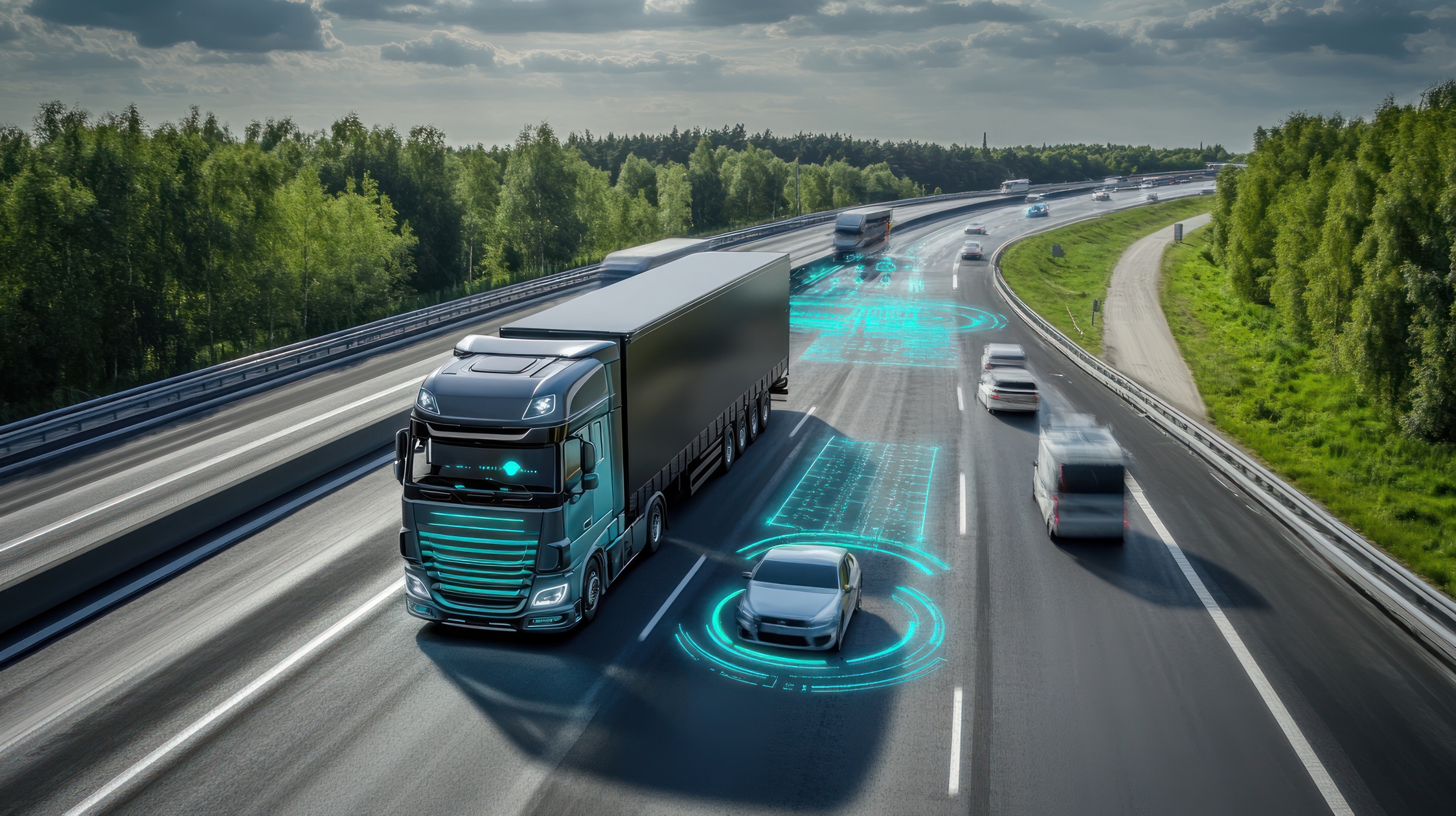
Global positioning systems (GPS) transformed transportation by enabling precise navigation anywhere. Today GPS capacities power vital telematics solutions that make commercial fleets safer and more productive. For ambitious entrepreneurs, immense prospects exist to become a specialized GPS reseller in this thriving industry. This is according to the good folk over at Idrive.

A 3D render of a self-driving truck on a smart highway, using AI-based navigation and environmental sensors to avoid obstacles and optimize the route. –ar 16:9 –v 6.1 Job ID: 95400767-4adc-4c56-9266-2b549917682d


Understand Fleet Pain Points

Succeeding as a GPS reseller requires a genuine understanding of customer pain points instead of superficial feature awareness. Study specialized verticals like long-haul trucking, field services, public transportation, and hazardous materials to discover major challenges. Key issues may encompass boosting efficiency, ensuring security, managing maintenance, or regulatory burdens. Listen more to uncover frustrations and then position suitable GPS products accordingly. Avoid generic pitches. Targeted messaging conveys deep industry insight and practical impact.

Deliver True Business Value

Fleets invest in technology seeking measurable operational improvements, not just novelty gadgets. Yet, inadequate systems get abandoned quickly despite promising potential. Seasoned resellers demonstrate real-world value beyond specs. Showcase client case studies proving concrete benefits like enhanced scheduling, lower fuel costs, and proactive repairs to convince buyers. Frame GPS capabilities, solving their priority headaches from driver tracking to geofencing. Quantify before and after transformation through metrics like insurance premium declines or on-time delivery improvements.

Guide Prudent Adoption

Specialized GPS resellers build client trust by encouraging prudent implementation, delivering quick returns without overextending resources. Steer customers toward solutions offering the best fit for their current needs and expansion capacity later. Set realistic expectations on the learning curves required to extract value. Follow a staggered roadmap, deploying GPS hardware and training workers in phases for smooth onboarding. Be transparent on limitations to avoid over-promising.

Customize Bundles Strategically

Avoid the mindset of moving standardized products purely for commissions. As a consultative GPS reseller, customize bundled offerings aligned to each customer’s workflow priorities after careful evaluation. Many fleet managers have limited technology expertise, so they rely on your guidance to identify the ideal mix of hardware, accessories, software, and storage capabilities before making large investments. Ensure choices synergize with existing vehicle equipment and information technology infrastructure through meticulous planning.

Provide Responsive Support

The hallmark of a successful GPS reseller is unmatched post-sales support, transforming one-off purchases into lifelong partnerships. This encompasses assistance during new system rollouts to resolve initial usage barriers. Maintain open channels for a spike in basic troubleshooting queries until clients get comfortable. Periodic training refresher guides extract full utility from devices as new features emerge through updates.

Explore Revenue Diversification

Avoid over-relying purely on upfront GPS device sales, prone to fluctuating swings. Savvy resellers diversify income by providing supplementary services that recur predictably. Consider offering installation, activation, and repair work for clients lacking in-house expertise. Extended hardware warranties and damage insurance generate steady servicing fees. Cloud subscriptions for online fleet tracking dashboards yield monthly cash flow. Some offer customized analytics-as-a-service to interpret client telematics data.

Stay Ahead of Evolving Needs

Thriving GPS resellers stay abreast of market shifts to maintain competitive relevance. Study emerging transportation regulations that may necessitate additional monitoring. Attend industry events to discover unmet needs and forecast upcoming trends. Periodically survey client priorities to gauge demand changes. Quickly onboard solutions catering to new requirements like lone worker safety tools or cargo sensors, as once ripe opportunities surface.

Conclusion

Introducing GPS upgrades into commercial fleets requires an understanding of intricate operational contexts combined with sharp salesmanship conveying true value. Attentive resellers build enduring exchange through trusted guidance and responsive backing. Keeping offerings tailored and staying ahead of market transitions cements fruitful ventures. By treating customers as partners, not just clients, specialized GPS resellers build successful businesses that offer increasingly valuable services.


The Unsung Hero of Load-Bearing: How Heavy-Duty Coil Springs Keep Your Truck Working Right

0

There’s just something about a quiet Saturday morning in the garage that gets me going. Coffee in hand, classic country crackling on the old radio, and the smell of cold steel and motor oil hanging in the air. If you’re anything like me, you know that working on your truck isn’t just a chore — it’s practically therapy. And there’s one topic that always seems to get the gears turning when the fellas and I gather around the workbench: heavy-duty coil springs.

 Unsung Hero

Now, I’m not talking about your everyday lift kit, the kind a teenager throws on his pickup to make it look cool in the school parking lot. No, sir. I’m talking about the real-deal, workhorse-grade springs — the ones that carry their weight when the snow starts falling or the trailer is stacked a little taller than you planned. These are the springs you count on when you’ve got a snowplow hanging off the front of your rig or a bed full of concrete mix and no time for soft suspension.

Let me tell you how I got here. A couple of years back, winter rolled into Colorado a little early, and I was out clearing driveways before the turkey even hit the table. I had the plow mounted to my old 2500HD, and after a few jobs, I noticed the front end was sagging more than it should’ve been. It wasn’t just the visual — the handling felt off, and every bump made the suspension groan like an old porch swing.

At first, I chalked it up to the weight of the plow and maybe a bit of wear on the shocks. But the more I looked into it, the more it became clear: my stock coil springs weren’t cut out for the job. They just weren’t built to handle the extra constant load. And if you know trucks, you know that when your suspension’s struggling, the rest of the truck isn’t far behind.

That’s when I stumbled onto Superior Spring. You know, not every company these days still puts pride into American-made craftsmanship, but these folks do. Their heavy-duty coil springs are the real deal — designed for trucks that work, not just look pretty parked at Home Depot.

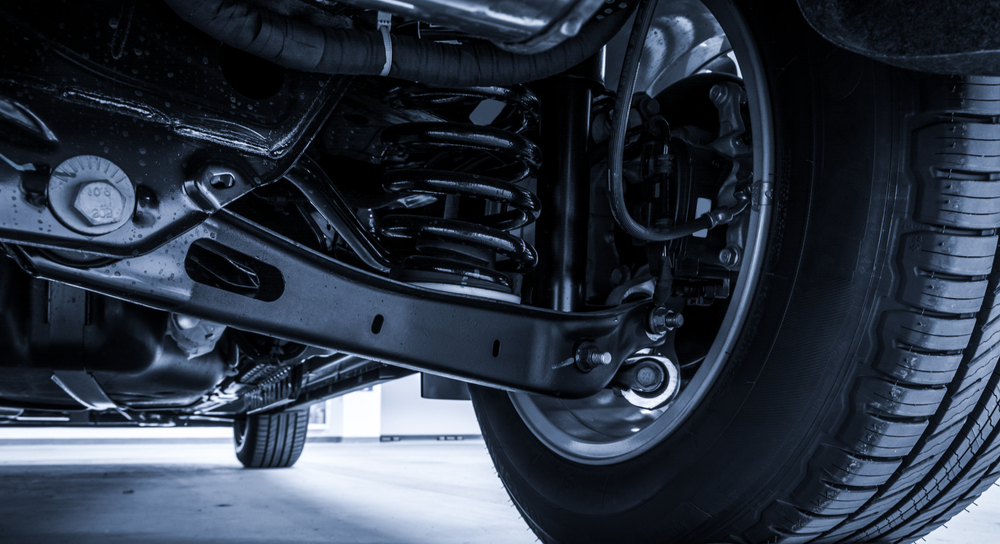
Here’s what I learned the hard way: Heavy-duty coil springs aren’t just about ride height. Sure, they might give your front end a bit of a lift, but their real purpose is to support a constant load. Whether you’re carrying a snowplow, a winch setup, a hefty steel bumper, or you’re hauling serious weight in the bed day in and day out, these springs are designed to keep your suspension from sagging and your truck handling like it should.

Now, I know some of you are probably thinking, “What about leaf springs?” — and you’re right to bring it up. Leaf springs have been doing the heavy lifting on trucks for decades, especially on the rear axle. They’re tough as nails and great for carrying big loads, but when it comes to handling front-end weight, like a snowplow or a winch bumper, coil springs are where it’s at. Leaf springs are built more for straight-line strength, while coils give you a smoother, more controlled ride when the weight is pushing down on the nose. I’ve got respect for a good set of leafs, but for front suspension jobs, coils are the workhorse you want under there.

There’s a big difference between lifting for style and upgrading for function. I’ve met plenty of guys who confuse the two. But once you’ve driven a rig with a front-end that’s been weighed down past its limits, you’ll never make that mistake again.

One of the things I appreciate most about heavy-duty coil springs is the way they save the rest of your truck from long-term wear and tear. Without the right springs, your shocks are overworked babysitters, and your steering components take a beating from the uneven angles and extra stress. Installing proper heavy-duty coils means the load is carried where it was meant to be — by the springs, not the rest of your truck.

Another thing worth mentioning is ride quality. Some folks worry that beefing up their suspension will turn their truck into a spine-jarring lumber wagon. But the good springs — like the ones I got from Superior Spring — are engineered to balance strength with comfort. Sure, you’ll feel the difference, but you won’t be rattling your teeth loose on every pothole.

It’s also not a one-size-fits-all deal. The crew at Superior Spring helped me select the right rating for my setup, based on the weight of the plow and the fact that I wasn’t just driving a few miles on back roads, but putting in long days in subzero temps. Turns out, there’s a science to it — too stiff and you lose articulation, too soft and you’re back to square one with sagging springs. The right balance keeps your truck riding level, even when it’s loaded down.

Now, if you’re thinking about making the switch yourself, let me give you a piece of advice: don’t skimp on quality. The market’s flooded with budget coil springs that might look the part, but the metallurgy and heat treatment make all the difference. Poorly made springs won’t hold their shape under constant load, and you’ll be back under the truck before you know it, wrench in hand, fixing the same problem twice.

And while you’re at it, consider the whole suspension setup. If your coils are handling extra weight, you’ll want shocks that can match. I paired my new coils with heavy-duty gas shocks, and the difference was night and day. Steering felt tighter, cornering was more predictable, and the front end sat proud, even with the plow mounted and the salt spreader loaded.

I guess the bottom line is this: your truck was built to work, but if you’re pushing it beyond what the factory planned for, your suspension needs to be up to the task. Heavy-duty coil springs are one of those upgrades that pay for themselves, especially if you rely on your truck for business or serious winter prep.

And let me tell you, there’s no better feeling than rolling out of the garage, knowing your rig is set up right. Snow or shine, full bed or empty, you can trust that front end to stay level, your steering to stay sharp, and your shocks to do their job without crying uncle.

So next time you’re under the hood or belly-down on the garage floor, give some thought to those coils. They might not be the flashiest upgrade, but they just might be the smartest one you make all year.

If you want to dig into the nitty-gritty, check out Superior Spring at superiorspring.net — they’ve got a lineup that’ll cover just about any work-truck scenario you can imagine. Whether you’re prepping for plow season, hauling heavy gear, or just want your truck to handle like it should, even when it’s loaded, they’ll set you up right.

And hey, if you swing by the shop or catch me at the coffee counter on a Saturday morning, I’ll be the guy in the ballcap, talking suspension over black coffee and probably wearing more grease than I’d like to admit. Happy wrenching, friends.

Recent Post